Spring season open · Mar 15 – Jun 25 places left · Classic 7d · May 03Rhododendron bloom reported at Forest Camp
Trail status: Open
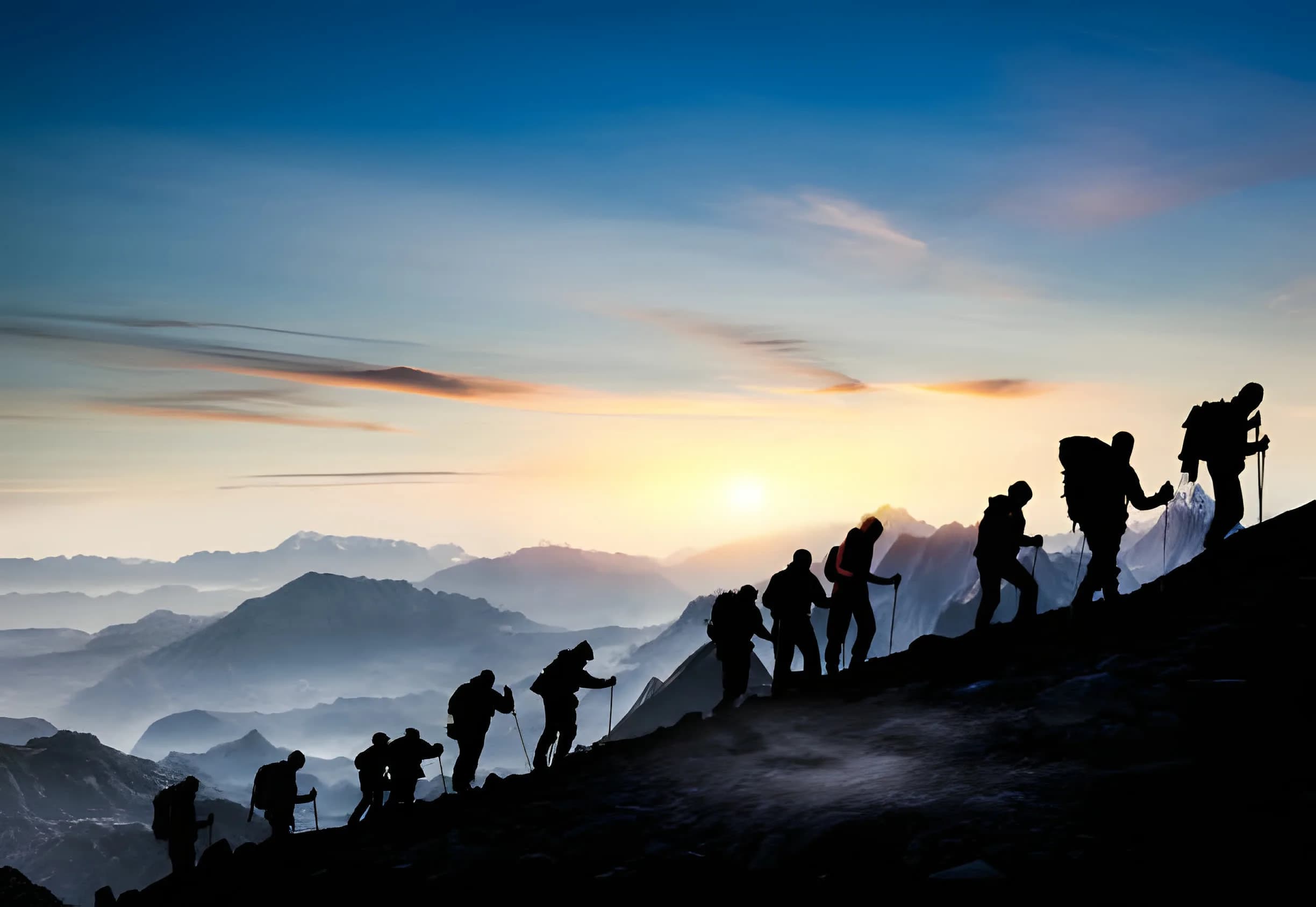
The Annapurna range above Nepal's Mardi Himal trail
Visa, permits, money & health

Nepal travel essentials.

The practical paperwork and logistics for a Mardi Himal trip: visa on arrival, money and cash on the trail, SIM cards, the ACAP and TIMS permits, vaccinations, and when to come. Figures are indicative for 2026, so confirm the live numbers before you fly.

Tourist visa, on arrival.

Most visitors get a tourist visa on arrival at Kathmandu airport and other entry points, with land borders also commonly used. You can pre-fill the form online or at an airport kiosk. The fees below are the official rates as of 2026. Bring cash, as immigration advises paying at the fee counter in a major currency.

Visa lengthFee (foreigners)
15 daysUSD 30
30 daysUSD 50
90 daysUSD 125

Carry rupees.

The currency is the Nepalese Rupee (NPR). As of mid-2026 the rate is roughly NPR 153 to the US dollar, in a moving range of about 150 to 154, so treat any dollar figure as approximate. The rupee is pegged to the Indian Rupee, so the dollar rate drifts with the Indian Rupee.

Draw cash in Pokhara

ATMs are reliable in Pokhara but sparse and unreliable on the trail. Withdraw the rupees you need before you start walking.

Teahouses take NPR only

Lodges and teahouses accept Nepalese rupees, not US dollars. Carry enough NPR for the whole trek plus a buffer for extras.

Mardi needs less

A full Annapurna Base Camp scale trek of about 12 days runs roughly USD 300 to 600 in cash. Mardi is shorter, so you need less.

NTC or Ncell.

Two providers cover the country: Nepal Telecom (NTC, branded Namaste) and Ncell. Buy a SIM at the Kathmandu airport counters or in shops in Pokhara and Kathmandu, bringing your passport and a photo. A SIM costs about NPR 100 to 200. Plans change often, so the data figures below are indicative.

NTC (Namaste)

Nepal Telecom generally holds signal higher and in more remote trekking areas, which makes it the safer pick for the upper Mardi trail. A starter pack with around 3GB is under about NPR 300.

Ncell

Strong in cities and on many trails, with the widest urban coverage. A tourist or travel SIM with around 7GB is about NPR 599. An Ncell eSIM is available at the Kathmandu airport counter.

On the Mardi trail specifically, signal is generally available to Forest Camp and Low Camp and gets intermittent higher up, with High Camp often relying on lodge Wi-Fi. NTC tends to hold signal higher than Ncell. Per-camp coverage is not confirmed by any single official source, so treat it as approximate.

ACAP is the firm rule.

The Mardi Himal trek runs inside the Annapurna Conservation Area, so the area permit is the requirement you cannot skip. TIMS and the guide rule are real but the details are contested, so we present what is firm and tell you what to confirm live.

Firm requirement

ACAP (Annapurna Conservation Area Permit)

Issued by the NTNC. Foreigners pay NPR 3,000, SAARC nationals NPR 1,000, and Nepali citizens go free with ID. Buy it through the NTNC e-permit portal, at the NTNC office in Jawalakhel (Kathmandu), or at the Tourist Service Centre in Damside, Pokhara. Conservation fees are revised periodically, so confirm the current figure when you book.

Confirm live before you travel

TIMS & the licensed-guide rule

Since 1 April 2023 the rule is that foreign trekkers use a licensed guide and a trekking-agency-issued TIMS card, with solo and independent trekking restricted. Nepali citizens are exempt. TIMS enforcement and the fee have varied, and the foreign fee is quoted as both NPR 1,000 and NPR 2,000, so do not treat a single figure as settled. The practical norm is going through a registered agency that issues both the guide and the TIMS card. Confirm the live requirement and fee before you travel.

Pay permit fees in cash (NPR), though some offices now take cards or online payment. For how this fits the trek itself, see the Mardi Himal trek page.

Jabs and stomachs.

The CDC most often recommends Hepatitis A and Typhoid for Nepal, because the enteric-disease risk is high, and advises keeping your routine vaccines current. Some vaccines are situational and depend on your plans, so see a travel clinic four to six weeks before you fly.

Most recommended

Hepatitis A and Typhoid, because of the high risk of enteric (food and water) disease in Nepal.

Keep current

Routine vaccines: COVID-19, Hepatitis B, Influenza, MMR, Polio, and Tdap.

Situational

Japanese encephalitis for rural or long stays, Rabies for animal contact, Cholera in specific cases, all per your clinician.

Travelers' diarrhea is the most common complaint, and spring risk runs about twice the autumn level. Yellow fever is not endemic in Nepal, so a certificate is only required if you arrive from a yellow-fever country.

Spring and autumn.

Spring (March to May) and autumn (September to November) are the most stable seasons, with the clearest views of the Annapurna range from the Mardi ridge. The two off-seasons each have a trade-off worth knowing before you pick your dates.

Spring & autumn

The clearest, most stable conditions. Note spring carries about double the autumn travelers' diarrhea risk, so be careful with food and water.

Winter

Cold with possible snow at High Camp and the Upper Viewpoint. Clear days give superb views but the upper trail is icy.

Monsoon

June to August brings cloud, rain, and the least reliable visibility, plus leeches lower on the forested sections.

Essentials questions.

How much is a Nepal tourist visa on arrival?

As of 2026 the Department of Immigration charges USD 30 for 15 days, USD 50 for 30 days, and USD 125 for 90 days. Visa on arrival is available at Kathmandu airport and other entry points, with land borders also commonly used. Children under 10 are free, except US citizens. Bring cash to pay at the counter.

What permits do I need for the Mardi Himal trek?

The firm requirement is the ACAP, the Annapurna Conservation Area Permit, which costs NPR 3,000 for foreigners and NPR 1,000 for SAARC nationals and is issued through the NTNC e-permit portal. Since April 2023 the rule is that foreign trekkers also use a licensed guide and a trekking-agency TIMS card, so confirm the live TIMS requirement before you travel.

How much cash should I carry, and can I use cards on the trek?

Withdraw your rupees in Pokhara before you start, because ATMs are reliable there but sparse and unreliable on the trail. Teahouses and lodges take Nepalese rupees only, not US dollars, so carry enough NPR for the whole trek plus a buffer. Mardi is short, so you need less than a full Annapurna Base Camp trek.

Which SIM is better for the Mardi trail, NTC or Ncell?

NTC tends to hold signal higher up, so it is the safer choice for the upper trail, while Ncell is strong in cities and on many trails. Signal is generally fine to Forest Camp and Low Camp and gets intermittent above that, with High Camp often relying on lodge Wi-Fi. SIMs cost about NPR 100 to 200 and need your passport.

What vaccinations do I need for Nepal?

The CDC most often recommends Hepatitis A and Typhoid for Nepal because of the enteric-disease risk, and advises keeping routine vaccines current, including COVID-19, Hepatitis B, Influenza, MMR, Polio, and Tdap. Japanese encephalitis and Rabies are situational. Yellow fever is not endemic and a certificate is only needed if you arrive from a yellow-fever country. Confirm with a travel clinic.

When is the best time to trek Mardi Himal?

Spring, March to May, and autumn, September to November, are the most stable seasons with the clearest mountain views. Note that travelers' diarrhea risk in spring runs about twice the autumn level, so be careful with food and water. Winter is cold with possible snow high up, and the monsoon brings cloud and rain.

Planning the route too? See how to reach Mardi Himal for transport from Kathmandu and Pokhara to the trailhead.

Read the mountain, then come walk it.

We run small-group trips from Pokhara every Saturday from September to May. We also run private trips any day. A $50 deposit holds your place. Pay the rest on arrival in cash or by card.