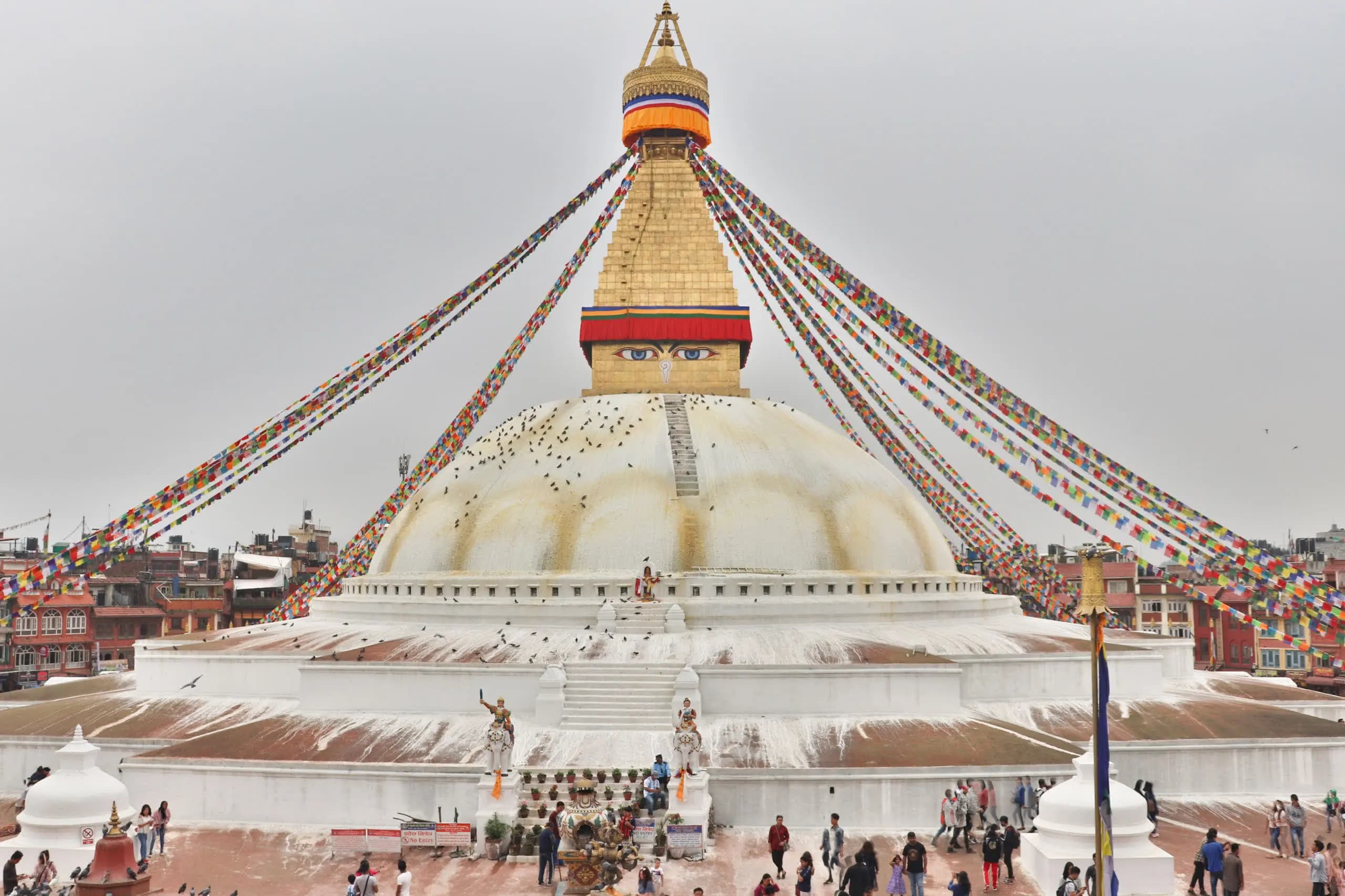
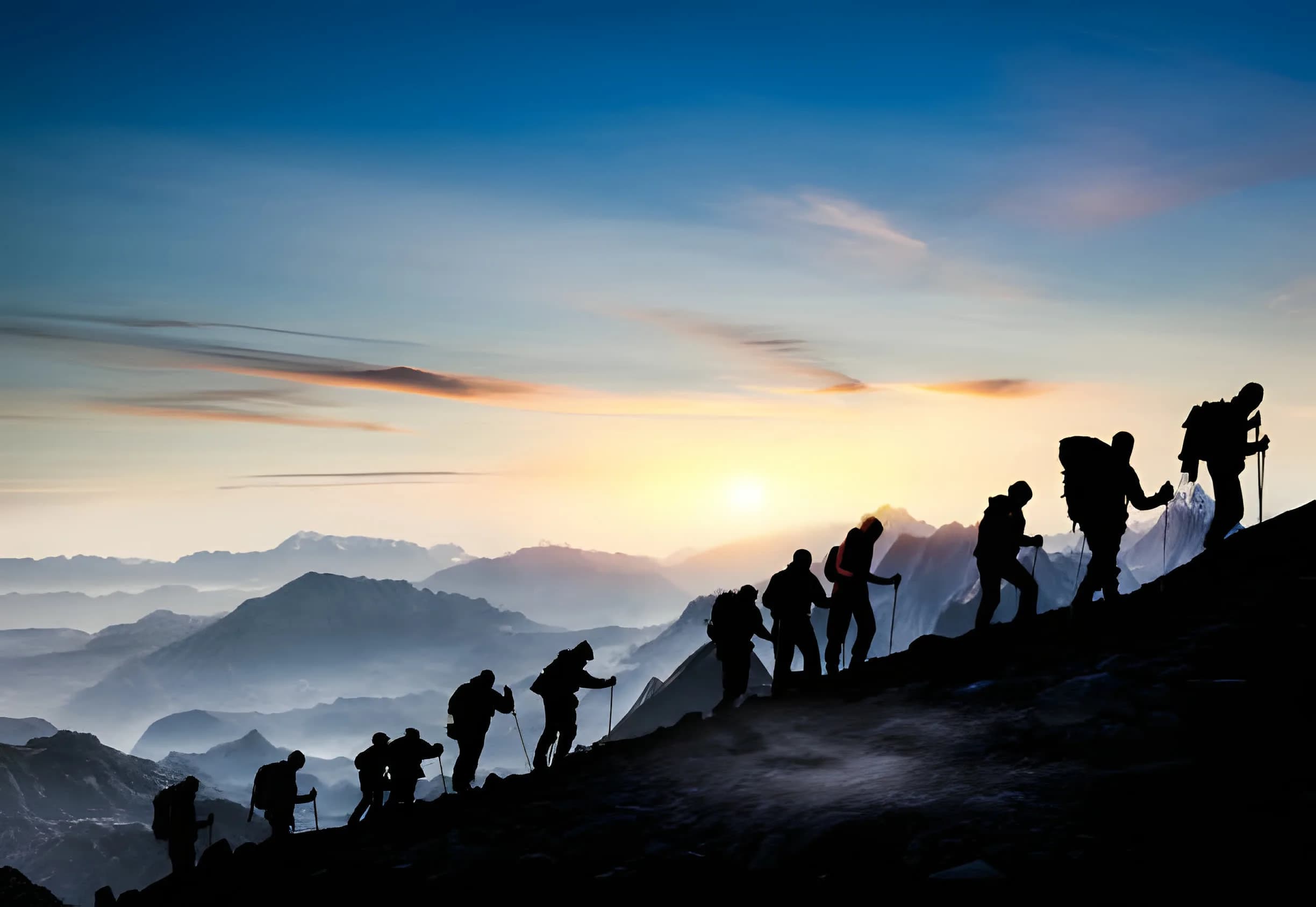
The Mardi Himal year turns on two things: the weather window and the Gurung calendar. Time your trek around the spring rhododendron bloom and the clear autumn skies, then plan around Tamu Lhosar, the dances, and the harvests. Here is what happens, and when, with a month-by-month calendar for 2026.
Tamu Lhosar is the Gurung New Year, fixed to the 15th of Poush in the Nepali calendar, which falls in late December. In 2026 it lands on Wednesday, 30 December. The name marks the change of the year (Lho is year, Sar is change), turning the wheel to the next animal in a 12-year cycle.
Prayer flags go up on stupas and homes. People wear traditional dress: men in the bhangra and kachhad, women in the ghalek, gunyo-cholo, and gold ornaments. There are Ghatu and Chudka dances, songs such as Thado Bhaka, and home-made raksi.
The biggest gatherings are around Pokhara, close to the Mardi Himal foothills, and in the Gurung communities of the Kathmandu Valley, where crowds meet at Tundikhel. Because it falls on a fixed calendar date, it is one of the easiest Gurung festivals to plan a visit around.
Rhododendron, locally Lali Gurans, is Nepal's national flower, and the Mardi trail climbs straight through its forest belt. The bloom is the headline reason many people walk this trail in spring.
The bloom runs through spring, mainly March and April, peaking around mid-April, in shades of red, pink, and white. April is the prime spring month: full bloom, warm days, and clear skies on the trail.
The flowers open at lower altitudes first, in March, then progressively higher into April and May. Walking uphill in spring, you can follow the bloom upward as the season climbs the slope with you.
Beyond Tamu Lhosar, two living Gurung traditions shape the cultural year in the villages below Mardi Himal: the Ghatu dance and the Rodhi gathering, alongside song forms like Sorathi.
Ghatu is a folk dance of the Gurung community of western Nepal, performed mainly around Baisakh Purnima (the full moon in April or May). Dancers, the Ghatusari, are chosen on Shree Panchami in December or January and trained for three to four months. The dance re-enacts the tragic tale of King Pashramu and Queen Yambawati, with the dancers entering a trance.
Rodhi, held in a Rodhi Ghar, is a traditional Gurung gathering for singing, dancing, and socialising, usually after the day's work is done. Historically it was a youth social and courtship institution. Sorathi and Chudka are further Gurung song and dance forms still practised today.
Trekking conditions are general for the Mardi Himal and Annapurna foothills. The festival dates shown are the 2026 dates. For a deeper look at the weather and the best windows, see our weather guide and best season page.
Tamu Lhosar is celebrated on the 15th of Poush in the Nepali calendar, which falls in late December every year and is a public holiday. In 2026 it lands on Wednesday, 30 December. The name means the change of the year (Lho meaning year, Sar meaning change), marking the next animal in a 12-year cycle. It is celebrated across the Pokhara region and in Gurung communities of the Kathmandu Valley.
Rhododendron, Nepal's national flower (Lali Gurans), blooms in spring, mainly March and April, peaking around mid-April, in red, pink, and white. The bloom is staggered by altitude: lower forest flowers first in March, and higher slopes follow into April and May. On the Mardi and Annapurna forest belt, expect the main show in March and April.
Ghatu is a folk dance of the Gurung community of western Nepal, performed mainly around Baisakh Purnima (the full moon in April or May). Dancers, called Ghatusari, are selected on Shree Panchami in December or January and trained for three to four months. The dance re-enacts the tragic tale of King Pashramu and Queen Yambawati, with dancers entering a trance state.
Rodhi (or Rodhighar) is a traditional Gurung communal gathering for singing, dancing, and social interaction, held in a Rodhi Ghar, usually after a day's work. Historically it was a youth social and courtship institution. Other living Gurung traditions include the Sorathi and Chudka song and dance forms.
Spring (March to May) and autumn (September to November) are the prime seasons. April brings peak rhododendron bloom, warm days, and clear skies. October and November bring the clearest, most stable weather and the best mountain views, with October the busiest. Winter is cold and clear but snowy high up, and the monsoon (June to August) is wet with poor visibility.
No. Most Nepali festivals follow the lunar calendar, so the Gregorian date shifts each year. Tamu Lhosar is an exception: it is fixed to the 15th of Poush, so it always falls around 30 December. For 2026, Dashain's main day (Vijaya Dashami) is 21 October and Tihar's Laxmi Puja is 8 November. Always confirm the year's dates before planning around a festival.
We run small-group trips from Pokhara every Saturday from September to May. We also run private trips any day. A $50 deposit holds your place. Pay the rest on arrival in cash or by card.