Nepal runs from subtropical jungle below 100 m to the highest ridgeline on Earth, so there is no single best month, only the best month for where you are going. Here is the country, region by region: the two great trekking windows, the rain-shadow districts that stay dry through the monsoon, and the lowland winter that works in reverse.
Two windows do most of the work in the mountains: autumn (September to November) and spring (March to May). But the rain shadow north of the main range flips the monsoon into a trekking season, and the lowlands flip winter into theirs. Match the region to the calendar and almost every month has somewhere that is at its best.
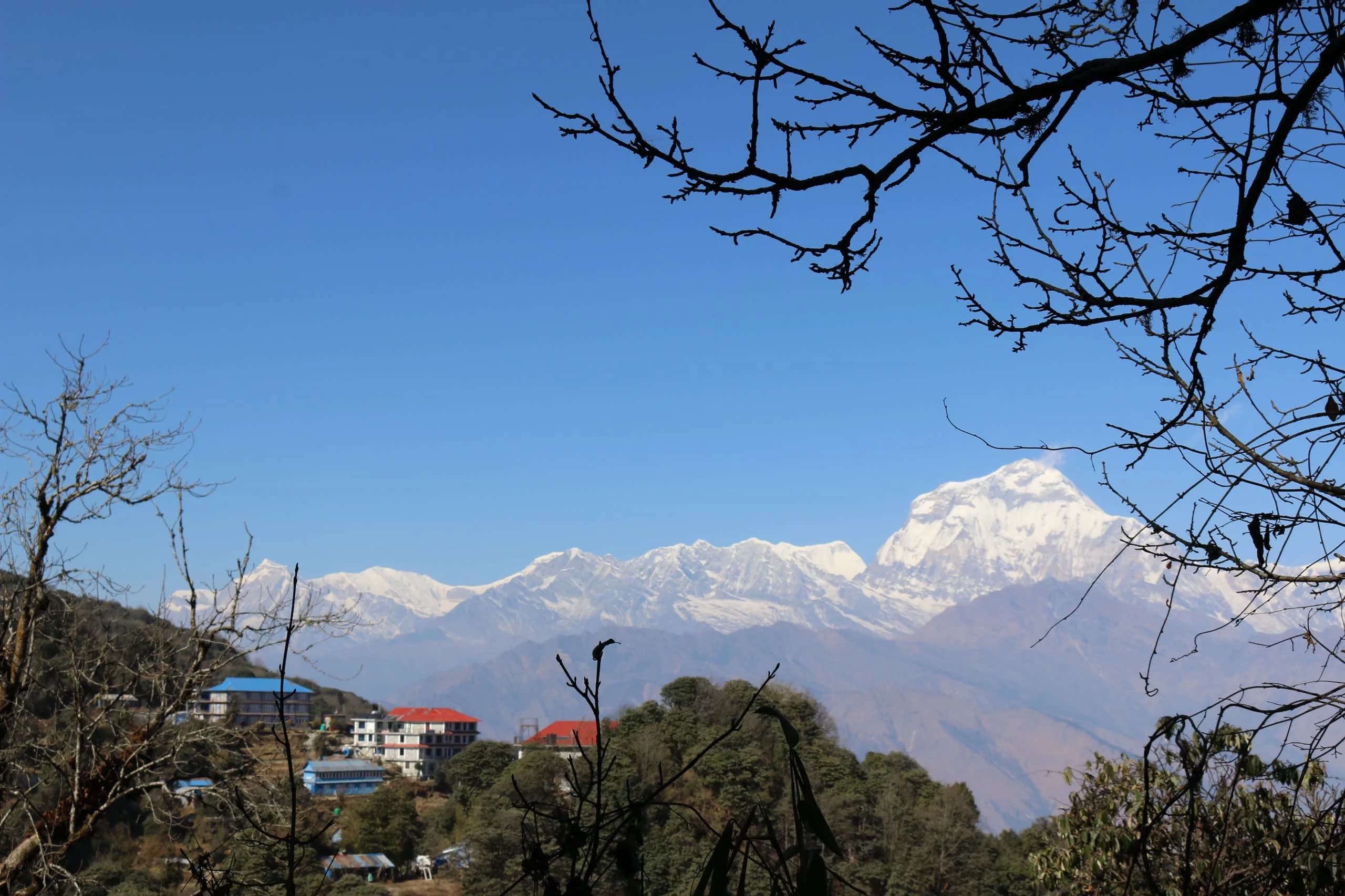
Our home region. Autumn brings the clearest skies of the year and the cloud sea below Badal Danda; spring brings the rhododendron bloom through the forest belt. The Pokhara side is one of the wettest parts of Nepal, so June to September is the stretch to avoid.
Mardi Himal month by month →Higher and colder than Annapurna, with a tighter calendar. Autumn gives the most settled skies for the Lukla flight and the passes; pre-monsoon spring doubles as the Everest climbing season. Winter at Base Camp altitude is severe.
EBC vs Mardi compared →The closest big trek to Kathmandu follows the same two windows as Annapurna: autumn for clarity, spring for the bloom in the upper forest. Snow can close the high ends of the valley in deep winter.
Langtang vs Mardi compared →The monsoon exception. These trans-Himalayan districts sit in the rain shadow behind the main range, a high desert that stays dry while the rest of the country is under cloud. When everything else is wet, this is where Nepal still treks.
Nepal travel essentials →Sightseeing works most of the year, but autumn pairs clean air with the festival peak: Indra Jatra in September, Dashain in October, Tihar in November. Spring adds Holi and warm, clear mornings before the pre-monsoon haze.
Visa, SIM & money guide →The gateway city for Mardi Himal enjoys a long season. Paragliding above Phewa Lake flies best on autumn and spring mornings, and the Annapurna skyline is at its sharpest from October. The monsoon grounds most flights and hides the peaks.
Pokhara travel guide →The subtropical lowlands run on the opposite logic to the mountains: winter is prime time. Cool, dry months suit jungle safaris, and wildlife viewing improves after the January to February grass cutting. April onward turns very hot, and the monsoon brings flooding.
Planning your Nepal trip →Everywhere south of the main range, from Annapurna to Everest to Langtang, the choice is the same. October and November bring the clearest, most stable skies of the year, the time to come if your priority is seeing the high peaks at their sharpest. March and April trade a touch of haze for the rhododendron bloom, which colours the mid-hill forests red, pink, and white, peaking around mid-April. Winter stays walkable on the lower trails for the well-equipped, while June to September belongs to the monsoon.
On our home trail, that decision has its own dedicated guide: the month-by-month conditions, crowds, and what each window brings are on the Mardi Himal best season page, with the climate numbers on the weather page and the festival calendar on seasons & events.
The monsoon arrives from the south, and the main Himalayan wall wrings the rain out of it. Upper Mustang and Dolpo sit behind that wall, a high trans-Himalayan desert of ochre cliffs and walled villages that stays largely dry from June to September while the Pokhara side, one of the wettest places in Nepal, takes most of its 3,500 mm and more of annual rain. If your dates land in the monsoon, the rain shadow is where Nepal still treks.
South of the range, the monsoon is not without its own rewards: the hills at their greenest, rice planting on the terraces, and alpine wildflowers in the high meadows. What it costs you is the views. What that means on the ground, day by day, is on the weather page.
Kathmandu and Pokhara work most of the year, with autumn the prime pairing of clean air and festival season: Indra Jatra in September, Dashain in October, Tihar in November. The Terai lowlands run on the opposite calendar to the mountains. October to March is safari season in Chitwan and Bardia: cool, dry, and at its best for wildlife after the January to February grass cutting. By late spring the plains swelter, and the monsoon brings the rivers up.
Arrival logistics, the visa on arrival, money, and SIM cards are covered in our Nepal travel essentials, and the gateway city has its own Pokhara travel guide.
A one-line verdict for each month, across the whole country. For the Mardi Himal trail specifically, the detailed month-by-month is on our best season guide.
Sharp mountain views and quiet trails in the mid-hills; prime safari weather in the Terai; high passes snowbound.
Lowlands warming, skies still clear. Terai wildlife viewing at its best after the grass cutting.
Rhododendron colours the mid-hills, Holi lands in the cities, and the trekking trails fill again.
Peak bloom in the hill forests and the Everest climbing season. The lowlands start to swelter.
Last spring treks up high as pre-monsoon storms and haze build. The Terai is very hot.
Rain sweeps the hills and rice planting starts. Head for the rain shadow: Mustang and Dolpo.
The wettest month nationwide. Trekking holds only in the trans-Himalayan rain shadow.
Green hills, full rivers, Janai Purnima and Gai Jatra. Rain-shadow treks still run.
The monsoon retreats late in the month. Indra Jatra in Kathmandu, and the trails reopen.
The clearest, most stable month in every mountain region, and Dashain, Nepal's biggest festival.
Crisp, dry, and superb visibility, with Tihar early in the month. The second prime month everywhere.
Quiet trails, sharp views for the well-equipped, Tamu Lhosar on the 30th, and safari season in the south.
October. The post-monsoon air is the cleanest of the year, the weather is at its most stable in every mountain region, and Dashain, Nepal's biggest festival, falls in the month. November runs a close second with colder nights and equally clear skies. If you want flowers rather than maximum clarity, April is the best spring alternative in the hills.
Upper Mustang and Dolpo. Both sit in the rain shadow behind the main Himalayan range, a high trans-Himalayan desert that stays largely dry from June to September while the rest of the country is under cloud. Everywhere south of the main range, including the Annapurna, Everest, and Langtang trails, is wet, leech-prone, and cloud-covered in those months.
Autumn (September to November) wins on visibility: the air is washed clean after the monsoon and October to November skies are the sharpest of the year. Spring (March to May) wins on colour: rhododendron blooms through the mid-hill forests, peaking around mid-April, with warmer nights at altitude. Both are peak season; the choice is clarity versus bloom.
Most follow the lunar calendar, so dates shift each year. The big ones cluster in autumn: Indra Jatra in September, Dashain in October, and Tihar in late October or November. Holi falls in March, Buddha Jayanti around May, and Tamu Lhosar, the Gurung New Year celebrated around Pokhara, is fixed near 30 December.
October to March. The lowland Terai is cool and dry through those months, and wildlife viewing improves after the annual grass cutting in January and February opens up the sightlines. From April the plains turn very hot, and the monsoon months bring rain and river flooding that close much of the park experience.
For the lowlands and cities, yes: Kathmandu and the Terai are dry, clear, and pleasant from December to February. Mid-hill treks like Mardi Himal and Poon Hill stay walkable with proper cold-weather gear, and the views on settled days are the sharpest of the year. The trade-off is at altitude, where high camps and passes can be snowbound, worst in January.
For a first trip built around mountains, the Annapurna region out of Pokhara offers the gentlest logistics: short drives to the trailheads, moderate altitudes, and treks from three days upward, with the Mardi Himal ridge as the quiet flagship. Pair it with Kathmandu's old cities and, in the cooler months, a Chitwan safari for the full range of the country.
We run small-group trips from Pokhara every Saturday from September to May. We also run private trips any day. A 30 % deposit holds your place, and the balance is paid on arrival.