Spring season open · Mar 15 – Jun 25 places left · Classic 7d · May 03Rhododendron bloom reported at Forest Camp
Trail status: Open
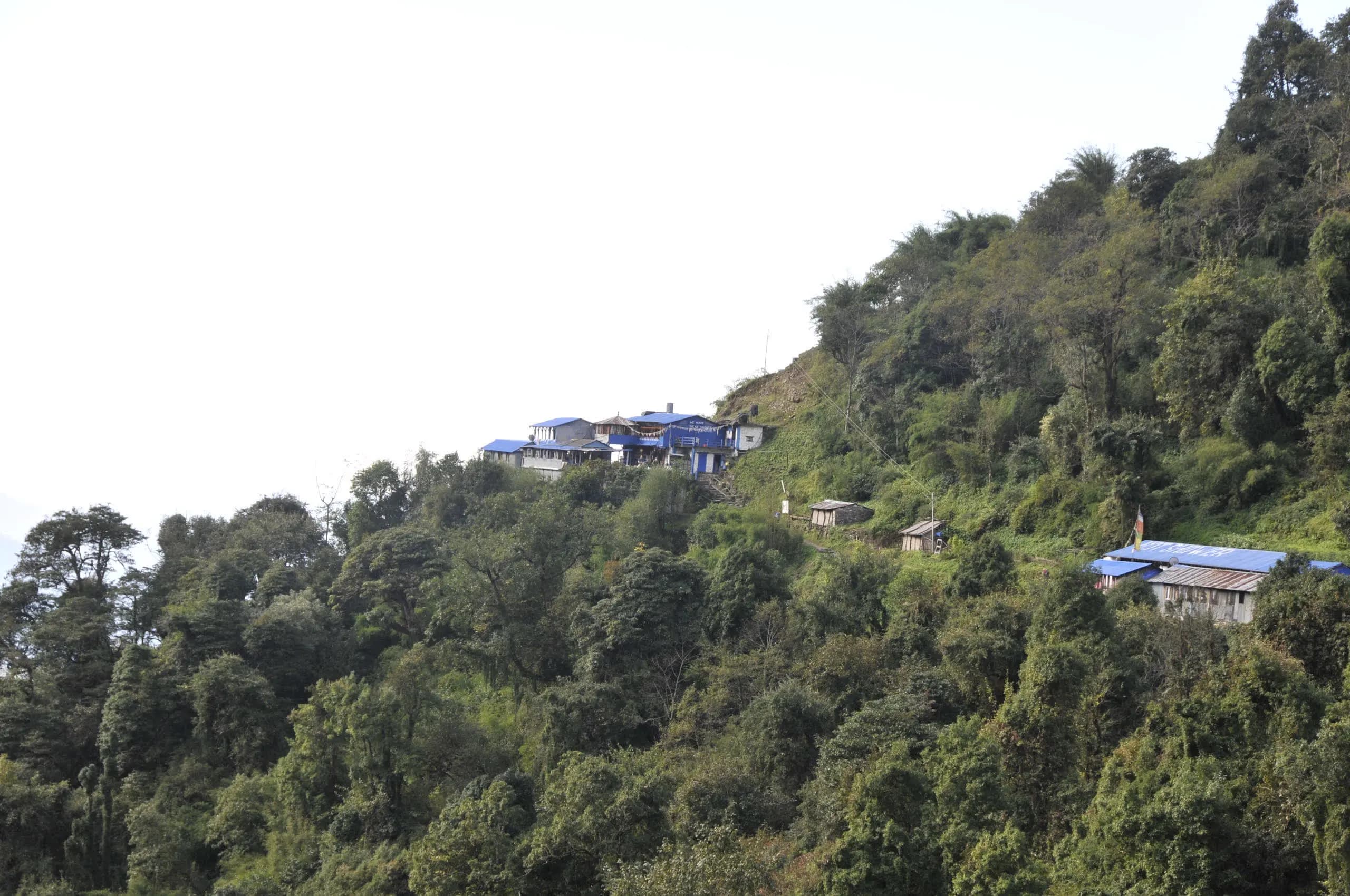
Teahouse lodges on the Mardi Himal ridge below the Annapurna massif
Teahouses & lodges

A bed on the ridge.

Every night on the Mardi Himal trek is spent in a family-run teahouse, from comfortable twin rooms in the lower villages to basic plywood cabins and dorms at High Camp, the highest lodges on the route. Here is what to expect at each stop, what it costs, and when you actually need to book ahead.

The lodging, in short.

Lodging type
Family-run teahouses
Highest lodges
High Camp ~3,550 m
Room price
NPR 500–1,000 (often less with meals)
Hot shower
Gas-heated, NPR 200–500
Device charging
NPR 100–300 at altitude
Heating
Dining-room stove only
Toilets
Attached low down, shared higher up
Booking
Walk-in usual, pre-booked in peak season

Sleep here, eat here.

A teahouse is a small, usually family-run lodge that gives a trekker a simple room and a hot kitchen under one roof. There is no camping on the Mardi Himal trek and no hotels above the trailhead: the whole route runs on teahouses, which is part of why it is one of the more comfortable short treks in the Annapurna region. You walk into a village in the afternoon, take a room, and spend the evening in the warm dining hall.

The convention that shapes everything is simple: you eat where you sleep. The room itself is priced low, sometimes almost free, because the lodge makes its living from the kitchen. In practice you take a room and eat dinner and breakfast at the same teahouse, and the room charge is discounted or waived in return. It is bad form to take a cheap bed and then eat elsewhere. What is on the menu, and how prices climb with altitude, is covered on our food and menu guide. For where each of these stops sits along the walk, see the day-by-day itinerary.

Where you sleep, night by night.

The trail climbs from sub-tropical farmland into the high ridge, and the lodging changes character as it goes. Lower down you get established villages with twin rooms and attached bathrooms; higher up the lodges get smaller, plainer, and colder, and the highest of them sit at High Camp around 3,550 metres. This is the stop-by-stop picture, ordered as you walk it.

Pothana & Deurali

1,890–2,100 m

Established lower-trail villages with the most comfortable lodges on the route. Twin rooms, many with attached western toilets and reliable hot showers. The easiest beds to find on a walk-in.

Pitam Deurali

~2,100 m

A quiet two-teahouse junction where the dedicated Mardi route branches off. Glass-fronted dining halls, simple twin rooms, mostly shared bathrooms. Rarely full.

Forest Camp (Kokar)

~2,520 m

A cluster of teahouses in a forest clearing. Plain twin rooms, shared toilets, small solar electricity bank. Hot showers are gas-heated and not always running.

Low Camp

~2,985 m

The first stop with full mountain views. Simple twin-share rooms with shared bathrooms. Signal and wifi start to thin out from here upward.

Badal Danda

~3,210 m

The Cloud Ridge, with a handful of exposed lodges and superb sunset light. Beds are limited, so in peak season this stop fills the same way High Camp does.

High Camp

~3,550 m

The highest teahouses on the trek and the final bed before the viewpoint. Basic plywood twin rooms and some dorm beds, squat toilets, bucket hot water, paid charging. Books out first.

Standards by altitude.

Room standards drop as the air thins. In the lower villages you sleep in a twin room, two single beds with foam mattresses and thick blankets, and many lodges have attached western toilets. From Forest Camp upward the rooms stay simple twin-share but bathrooms become shared, and at High Camp you get basic plywood-walled rooms, with some teahouses offering dorm-style beds for larger groups in the busy weeks. No room anywhere on the trek is heated.

On price, a room runs roughly NPR 500 to 1,000 a night as an indicative figure, and is often discounted hard, or close to free, once you commit to eating dinner and breakfast there. The headline room rate is almost beside the point: budget instead for meals, which is where the real spend sits, plus the paid extras below. A full breakdown of trek costs and permit fees is on our permits and cost page.

Showers, charging, and warmth.

Hot showers are gas-heated and cost money, roughly NPR 200 to 500 at the lower stops, and they get scarcer and dearer the higher you go. At High Camp a hot wash is often a bucket of warm water rather than a plumbed shower, and many trekkers simply skip it at the top to avoid getting chilled. Charging follows the same logic: free or a token fee low down, then billed per device at altitude, commonly NPR 100 to 300, because the power up there comes from solar panels and small generators. A power bank charged over dinner saves both money and worry on summit morning.

Connectivity is patchy. NTC and Ncell signal works through the lower forest and around Low Camp, then thins out above it; a few lodges sell wifi by the night, but the higher you climb the slower and less reliable it gets. Drinking water is sold boiled or filtered by the litre, cheaper and greener than buying plastic bottles. And warmth is the honest catch of any teahouse trek: the only heated room is the dining hall, where the stove is lit in the evening and everyone gathers. The bedrooms stay cold, so a warm sleeping bag liner and an extra blanket make the high nights bearable. The best months to avoid the coldest, busiest, or wettest conditions are set out on our best months guide.

Accommodation questions.

Do I need to book teahouses on the Mardi Himal trek?

Most of the year you can walk in and find a bed without booking, especially at the lower stops like Pothana, Pitam Deurali, and Forest Camp. The exceptions are High Camp and Badal Danda in peak spring (March to May) and autumn (October to November), when the small number of lodges fills fast. In those seasons operators phone ahead or send a guide up early to hold rooms. If you trek independently in peak weeks, aim to reach the high stops by early afternoon to be sure of a bed.

Is there wifi on the Mardi Himal trek?

Patchily. Mobile signal from NTC and Ncell is usable through the lower forest stops and around Low Camp, then becomes weak and unreliable above it. Some lodges sell wifi by the hour or the night for a small fee, but the connection at High Camp is slow at best and often down. Treat the upper trek as offline time. A local SIM helps at the lower stops; we cover SIM cards and connectivity on our nepal travel page.

How much does a teahouse room cost on Mardi Himal?

A room is cheap by design: roughly NPR 500 to 1,000 a night as an indicative range, and often discounted heavily or thrown in for almost nothing if you eat dinner and breakfast at the same lodge. That is the teahouse convention across Nepal: the room is a loss leader and the kitchen is where the lodge earns its living, so plan to eat where you sleep. Extras like hot showers, charging, and wifi are billed on top.

Are there hot showers at High Camp?

Sometimes, but do not count on it. Hot showers lower down are usually gas-heated and cost around NPR 200 to 500. Higher up they get scarcer and pricier, and at High Camp a hot wash is often a bucket of warm water rather than a plumbed shower. Many trekkers skip washing at the top stop and clean up properly on the descent, which is more comfortable and avoids getting chilled at altitude.

Can I charge my phone and camera on the trek?

Yes, but pay as you go higher up. Lower lodges often let you charge in the dining room for free or a token fee. At Low Camp, Badal Danda, and High Camp, electricity runs on solar and small generators, so charging is billed per device, commonly NPR 100 to 300. Bring a power bank, charge it over dinner when the stove room is busy, and you will not be caught short on summit morning.

What are the toilets and rooms like at altitude?

They get simpler as you climb. The lower villages have twin rooms with attached western toilets at many lodges. From Forest Camp upward, bathrooms are mostly shared and squat-style becomes the norm, and at High Camp rooms are basic plywood twins with some dorm beds. Rooms are unheated everywhere: the only warm room is the dining hall with its stove, so layer up for sleeping and ask for an extra blanket.

Is the water safe to drink at the teahouses?

Tap and stream water is not safe to drink untreated. Lodges sell boiled or filtered water by the litre, which is cheaper and lighter on the environment than bottled water, and the price rises with altitude. Carry a bottle and either buy refills of boiled water or treat your own with a filter, tablets, or a UV pen. We cover this in more detail in our food and menu guide.

Read the mountain, then come walk it.

We run small-group trips from Pokhara every Saturday from September to May. We also run private trips any day. A $50 deposit holds your place. Pay the rest on arrival in cash or by card.