Spring season open · Mar 15 – Jun 25 places left · Classic 7d · May 03Rhododendron bloom reported at Forest Camp
Trail status: Open
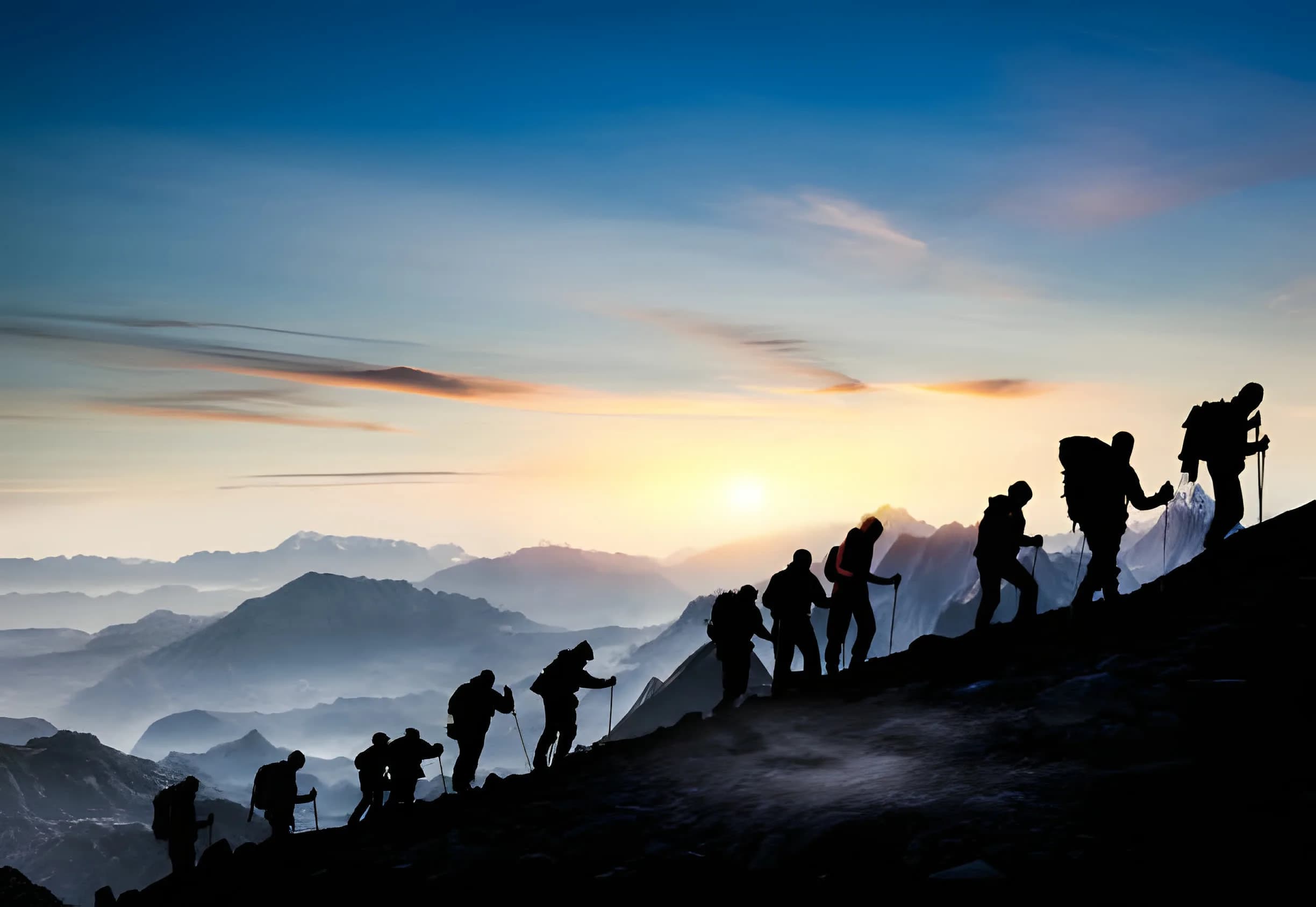
The high ridge of the Mardi Himal trek above the cloud line
Health & safety

Altitude, plainly.

Mardi Himal is one of the gentler high routes in the Annapurna region, but it still crosses the altitude where acute mountain sickness can begin. This is the sober version: what the risk actually is, how to read the symptoms, and what to do.

The numbers that matter.

AMS can begin above
~2,500 m
Highest sleep (High Camp)
~3,550 m
Day high point
4,200–4,500 m
Then you descend
Same day
Safer ascent rate
≤500 m sleep gain / night
Diamox standard dose
125 mg twice daily
Severe AMS marker
Lake Louise score 5+
Effective treatment
Descent

This page is informational and is not medical advice. For anything specific to your health, talk to a travel-health doctor before you travel.

Lower-risk, not no-risk.

The reason Mardi Himal sits at the easier end of high trekking is in its shape. The highest place you sleep is High Camp, at roughly 3,550 m. On the big day you climb above it, to the Upper Viewpoint at about 4,200 m or on to Mardi Himal Base Camp at around 4,500 m, and then you come back down to sleep. That climb-high, sleep-low pattern is exactly the rhythm acclimatisation experts recommend, and on this route it is built into the trail rather than something you have to engineer.

Sleeping altitude matters more than the highest point you touch, which is why a peak day near 4,500 m followed by a night back at 3,550 m is kinder on the body than it sounds. Even so, acute mountain sickness can start above about 2,500 m, and you are well past that for several days. The honest summary is that the route is comparatively low-risk, not risk-free. The full day-by-day altitude ladder is on the trek itinerary, and the route in general on the Mardi Himal trek page.

The symptom ladder.

Above about 2,500 m the air holds less oxygen, and the body needs time to adjust. When it cannot keep up, the result is acute mountain sickness (AMS). The first and defining sign is usually a headache, often appearing 6 to 24 hours after going up and frequently worse at night. It commonly comes with loss of appetite, nausea, fatigue, and dizziness, along with broken sleep. Dehydration produces a similar picture, which is part of why fluids matter so much.

Clinicians grade AMS with the Lake Louise scoring system, the accepted reference standard. It scores headache, gastrointestinal upset, fatigue, and dizziness; a total of 3 or more, with a headache, in the setting of recent ascent, is taken as AMS, and a score of 5 or more signals severe AMS. You do not need to memorise the numbers. The practical version is simpler: a headache plus any of those symptoms after going higher means stop going up.

Two rare conditions sit at the dangerous end. High-altitude cerebral edema (HACE) shows as confusion, drowsiness, and loss of coordination, the inability to walk a straight line being the classic warning. High-altitude pulmonary edema (HAPE) shows as breathlessness at rest, a persistent cough, and disproportionate fatigue. Both are medical emergencies. They are uncommon on a well-paced Mardi Himal trek, but every trekker should know their warning signs because the response to either is immediate.

Mild, moderate, severe.

Use this as a field reference, not a diagnosis. When in doubt, treat symptoms as more serious rather than less, and never ascend with them.

Mild

Mild headache that eases with rest and fluids, slight nausea, tiredness, broken sleep.

Stop ascending. Rest at the current altitude, drink water, paracetamol or ibuprofen for the headache. You may continue once symptoms have fully cleared.

Moderate

Headache that does not lift after painkillers, repeated vomiting, marked weakness or dizziness.

Do not go higher. Descend to the last altitude where you felt well. Tell your guide. Going down even 300 to 500 m often resolves symptoms within hours.

Severe

Confusion, drowsiness, unable to walk straight (HACE), or breathlessness at rest with a cough (HAPE).

Emergency. Descend immediately, do not wait for morning, and get medical help. This is when helicopter evacuation may be needed.

How people stay well.

The single most useful thing is pacing. Going too high too fast is the main cause of AMS. Once above 3,000 m, the broad guidance is to keep sleeping-altitude gains to no more than about 500 m per night, and to add a rest day for roughly every 1,000 m gained. Walk slowly enough that you can hold a conversation; if you are gasping, you are going too fast. Drink steadily through the day, and eat well even when appetite drops.

Alcohol is best avoided, especially on the higher nights, because it depresses breathing and masks early symptoms. This is also why compressing the schedule is a real trade-off: a faster trip leaves less margin if your body needs more time. If you are weighing a shorter plan, read our 3-day itinerary notes, which set out plainly why a compressed ascent raises AMS risk.

Acetazolamide (Diamox) is a prescription medicine that can speed acclimatisation. The CDC describes a common preventive dose of 125 mg twice daily, begun the day before going up and continued for the first days at altitude, with tingling fingers and increased urination as typical side effects. We do not prescribe it and we do not tell you whether to take it. Discuss it with your own doctor, who knows your history and any interactions. Some trekkers carry it, many do well without it on a sensible itinerary.

The golden rules.

Mountain-medicine bodies, including the Himalayan Rescue Association, distil the response into a few rules that have not changed in decades, because they work.

  1. Know the symptoms. A headache plus nausea, fatigue, or dizziness after going up is AMS until proven otherwise.
  2. Never ascend with symptoms. Stay put or go down. Do not sleep higher than the night before while you feel unwell.
  3. Descend if symptoms worsen. If you are not getting better, go down, with someone alongside you. Descent is the one reliable treatment for serious altitude illness.

On Mardi Himal, descent is rarely far. The trail loses altitude quickly below High Camp, and lower camps with help are close. Tell your guide early. Small problems are easy to manage; the ones that turn serious are usually the ones people hid or pushed through. There is a brief altitude summary inside our broader trek information page; this page is the fuller version.

Insurance, children, older trekkers.

If altitude illness turns serious, the standard response in this region is a helicopter evacuation to Pokhara. A heli lift off the route can cost several thousand dollars, recoverable only against a policy written for it. Many ordinary travel policies cap trekking altitude below Mardi Himal's day high point or exclude high-altitude rescue entirely. You want cover that explicitly includes trekking to at least 4,500 m and helicopter evacuation. Our travel insurance page spells out exactly what to look for, and the permits and cost page covers the wider budget.

People who fly into Pokhara and start straight up are the ones the Mardi profile still catches: the few days of trekking gain altitude faster than a body fresh off a plane has adjusted to. A day or two at Pokhara's modest elevation first helps. Older trekkers in good health manage Mardi Himal regularly; age itself is not a strong predictor of AMS, though existing heart or lung conditions deserve a doctor's clearance. Children can trek it too, but they may describe symptoms less clearly, so adults need to watch them closely. Anyone with a relevant medical history should tell us at booking so we can build in extra time.

Altitude questions.

Can you get altitude sickness on Mardi Himal?

Yes. You sleep as high as roughly 3,550 m at High Camp and push to between 4,200 m and 4,500 m on the viewpoint day, and acute mountain sickness can begin above about 2,500 m. The route is comparatively low-risk because the day high point is reached and then you descend, but low-risk is not no-risk. Most cases here are mild headaches at Low Camp and High Camp. They are uncommon but real, and they happen most often to people who gain altitude quickly.

Do I need Diamox for Mardi Himal?

That is a question for your doctor, not for us. Acetazolamide (brand name Diamox) is a prescription medicine that can speed acclimatisation, and the CDC describes a common preventive dose of 125 mg twice daily, started the day before going up. Many people trek Mardi Himal without it on a well-paced itinerary. Others, especially anyone with a history of altitude problems, are advised to carry it. Discuss your plan and medical history with a travel-health doctor before the trip. This page is informational and is not a substitute for medical advice.

How high do you sleep on the Mardi Himal trek?

The highest overnight on the standard route is High Camp at about 3,550 m. From there you make a day push to the Upper Viewpoint at roughly 4,200 m, or to Mardi Himal Base Camp at around 4,500 m, then come back down to sleep lower. Sleeping altitude matters more than the highest point you touch, which is part of why the Mardi profile is gentler than it first looks.

What are the first signs of altitude sickness?

The usual first sign is a headache, often appearing 6 to 24 hours after going above 2,500 m and frequently worse at night. It can come with loss of appetite, nausea, fatigue, dizziness, and disturbed sleep. The Lake Louise scoring system, the accepted reference for diagnosing AMS, looks at headache plus those symptoms. If you have a headache and any of them after going up, treat it as possible AMS and do not climb higher until it settles.

What is the difference between AMS, HACE, and HAPE?

AMS (acute mountain sickness) is the common, usually mild form: headache, nausea, fatigue. HACE (high-altitude cerebral edema) is a rare, dangerous progression with confusion, drowsiness, and loss of coordination (ataxia). HAPE (high-altitude pulmonary edema) is rare and dangerous too, with breathlessness at rest, a cough, and unusual fatigue. HACE and HAPE are medical emergencies. The response to either is immediate descent and emergency care, not waiting for morning.

Is a 3-day Mardi Himal trek riskier for altitude?

It can be. The shorter the itinerary, the faster you gain sleeping altitude, and rapid ascent is the single biggest driver of AMS. Authorities suggest gaining no more than about 500 m of sleeping altitude per night once above 3,000 m. A compressed schedule pushes past that. A 3-day plan suits people already acclimatised or with prior high-altitude experience, but it leaves less margin if symptoms appear. We are happy to talk through the trade-off before you book.

Does travel insurance cover altitude sickness evacuation?

Only if your policy is written for it. Many standard travel policies cap trekking altitude below Mardi Himal's day high point or exclude high-altitude rescue. You want cover that includes trekking to at least 4,500 m and helicopter evacuation. A heli evacuation off the route can cost thousands of dollars, refundable only against a valid policy. See our travel insurance page for what to check before you buy.

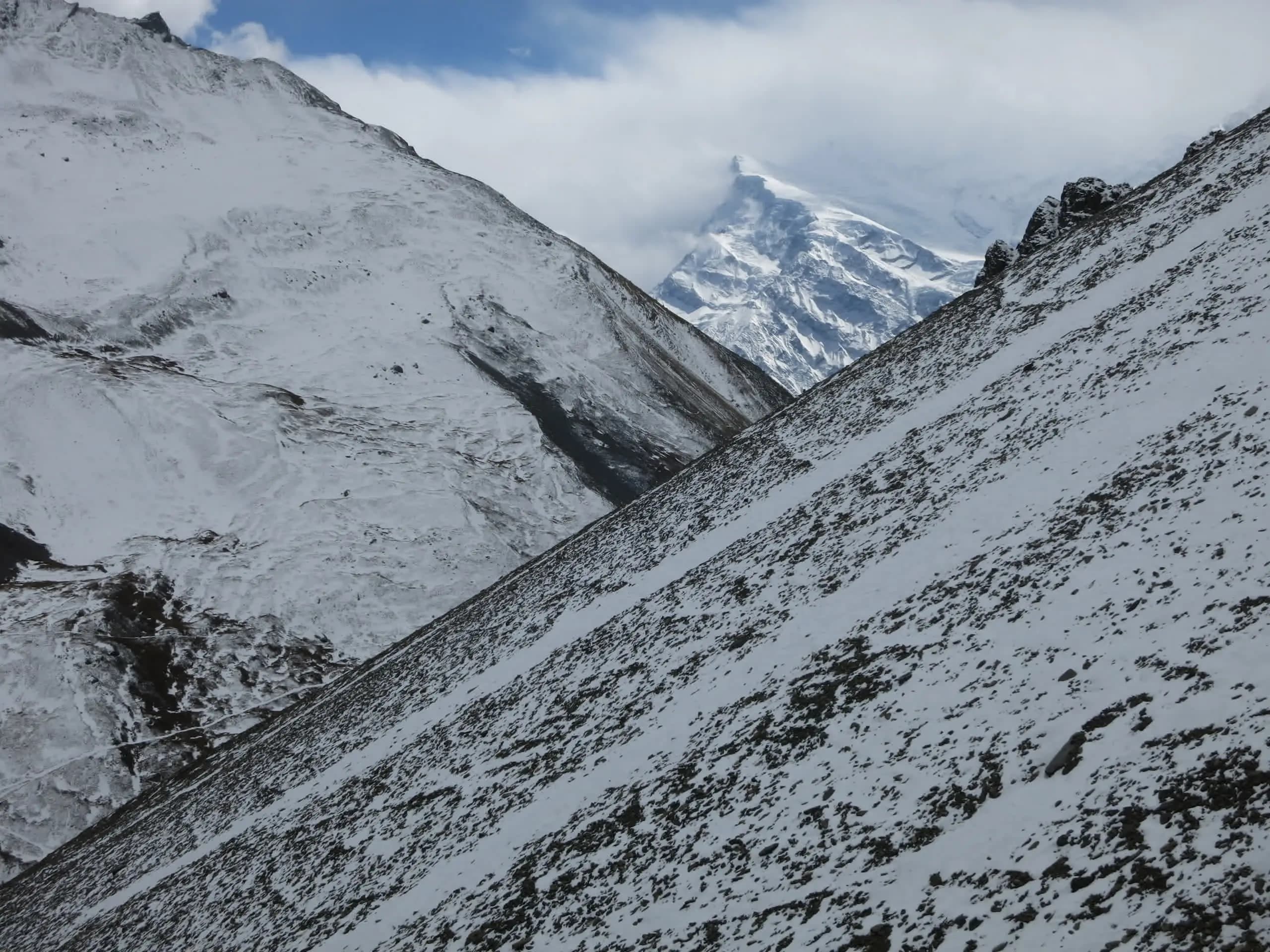
Read the mountain, then come walk it.

We run small-group trips from Pokhara every Saturday from September to May. We also run private trips any day. A $50 deposit holds your place. Pay the rest on arrival in cash or by card.