Spring season open · Mar 15 – Jun 25 places left · Classic 7d · May 03Rhododendron bloom reported at Forest Camp
Trail status: Open
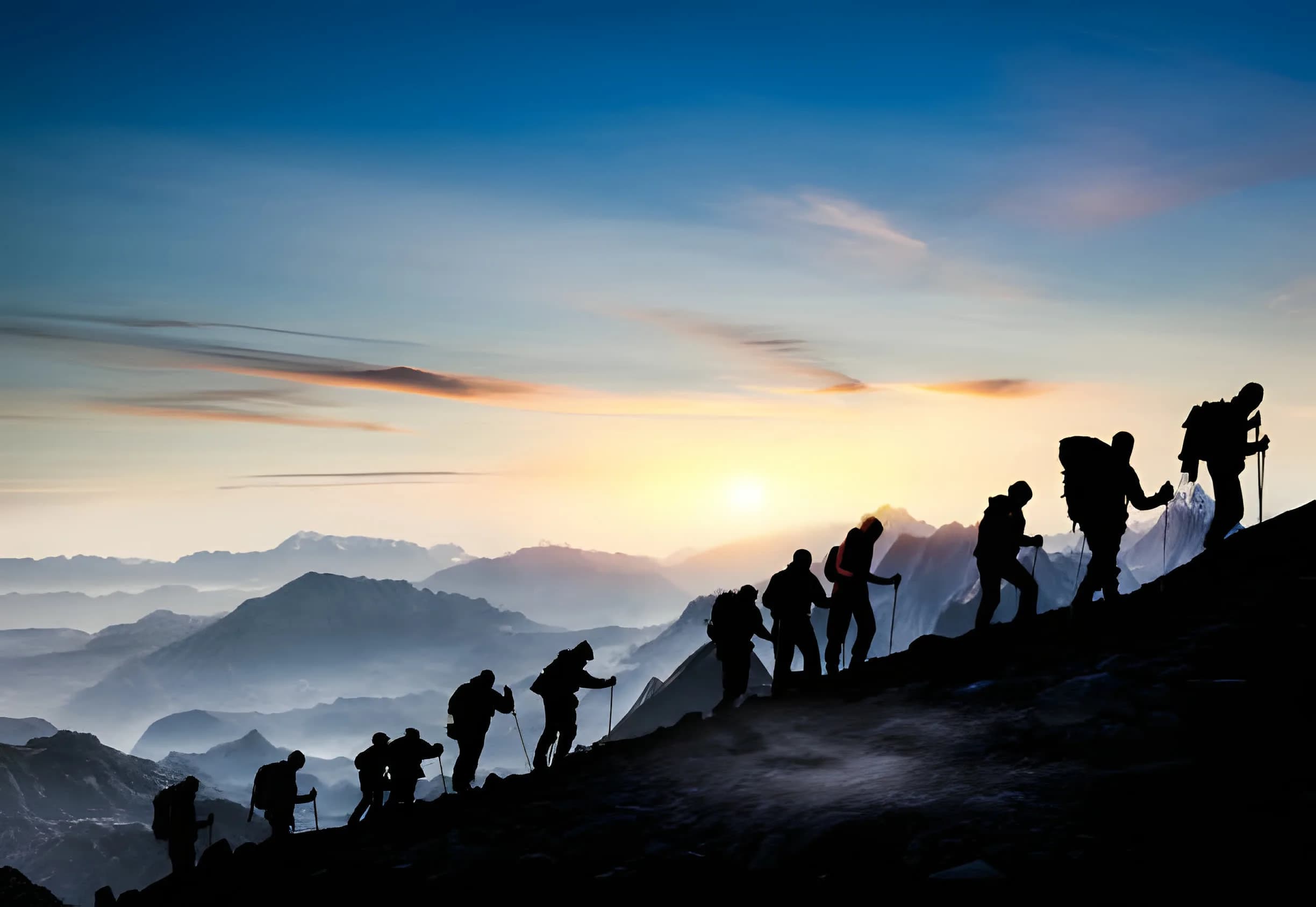
Mardi Himal trek above 4,000 metres in the Annapurna region
Before you book

The cover you actually need.

Travel insurance is mandatory on the Mardi Himal trek, and not just any policy will do. The mountain reaches around 4,500 m and rescue is by helicopter, so the cover has to match the altitude and fund an evacuation. Here is what to check before you buy.

The cover, in numbers.

Cover requirement
Mandatory (terms §7)
Trek high point
~4,200–4,500 m
Altitude tier to buy
Up to 6,000 m trekking
Heli evacuation cost
~USD 3,000–10,000+ (indicative)
Medical evac cover
USD 100,000+ recommended
Rescue method
Helicopter (no road access)
Proof needed
Copy of policy before start
Climb add-on
Mountaineering cover (ropes)

All cost figures on this page are indicative, not quotes. Premiums and rescue bills vary by insurer, altitude, location, weather, and your country of residence.

Not optional, by our terms.

Section 7 of our terms and conditions makes travel insurance a condition of travel. Every traveller on every trip must carry a valid policy, and for the trek that policy must cover trekking to at least 4,500 metres and helicopter evacuation. We ask for a copy before the trip starts. Without it, we cannot allow you to begin, which is non-negotiable for your safety and ours. The same rule applies whether you join a private departure or one of our scheduled fixed departures.

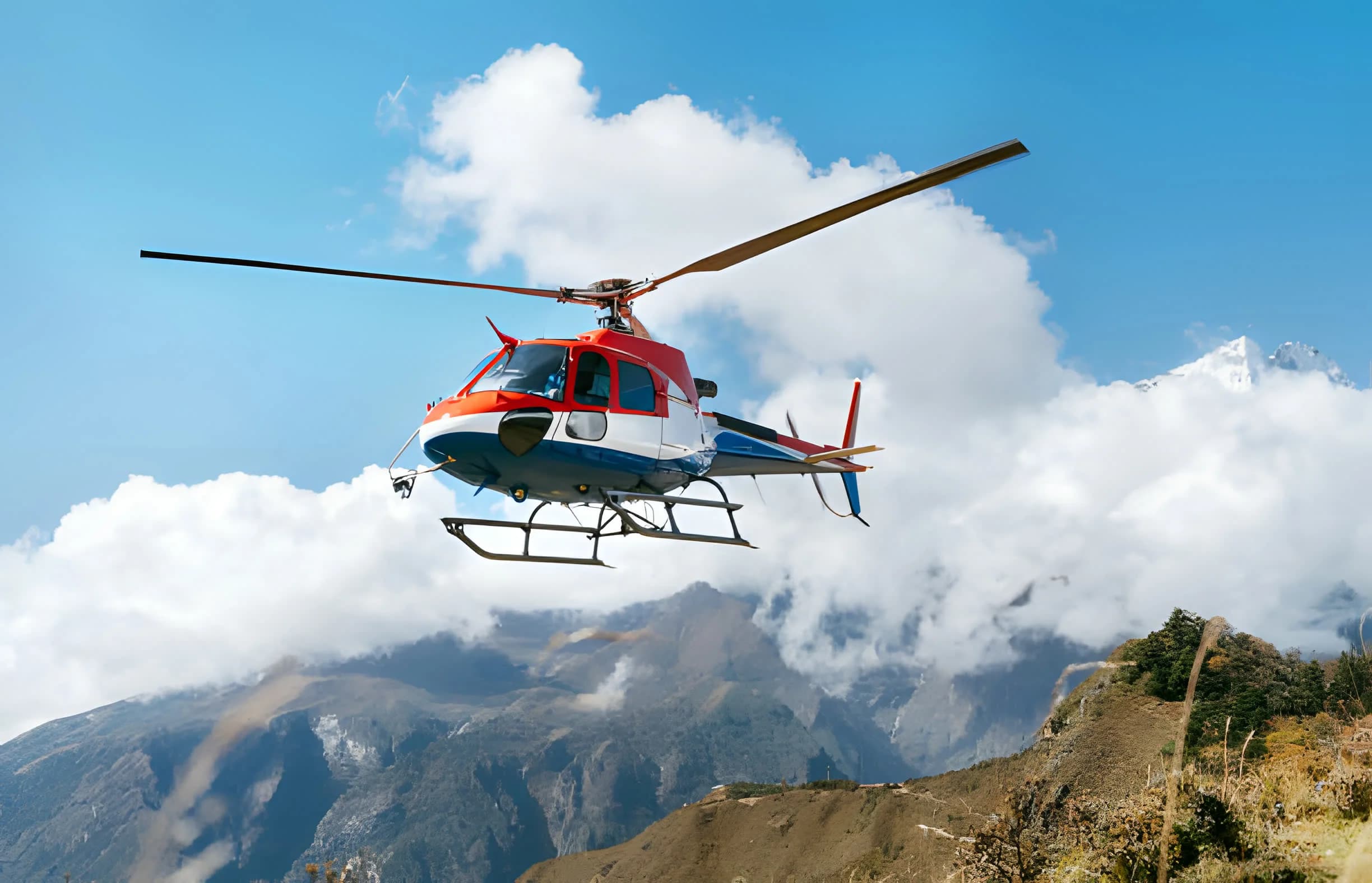
The reason is simple. The Mardi Himal trail has no road access above the Kande side, the terrain climbs fast, and altitude illness can turn serious within hours. If you need to come off the mountain in a hurry, the realistic option is a helicopter, and that costs money up front. Insurance is what turns a life-threatening situation into a phone call rather than a financial crisis. For more on the altitude risk itself, see our altitude sickness guide.

Read the altitude limit.

This is the single most common gap in trekkers' policies. Almost every travel insurer caps the altitude it will cover for trekking, and the cap is buried in the wording. Many standard policies stop at 3,000 m or 4,000 m, sometimes with no trekking cover at all unless you add an activity pack. The Mardi Himal trek reaches roughly 4,200 to 4,500 m at View Point and Upper View Point, so a policy that caps at 4,000 m leaves you uncovered at the exact place you are most likely to get into trouble.

The safe choice is a tier that covers trekking up to 6,000 m. Most adventure insurers sell their altitude cover in bands, for example a mid tier to around 4,500 to 4,600 m and a higher tier to 6,000 m. The 6,000 m trekking band clears the Mardi high point with comfortable margin and costs only a little more than the lower bands. Age limits apply on some of the higher tiers, so older travellers should check the small print. Whatever you buy, get it in writing that the policy covers trekking in Nepal to your trek's altitude. Permit and cost details for the trek itself are on our permits and cost page.

Six things to check for.

Altitude

Cover that explicitly reaches the trek high point. Mardi tops out around 4,200 to 4,500 m, so a tier rated to at least 4,500 m, and ideally the up to 6,000 m trekking band, is the safe choice.

Helicopter evacuation

There is no road above the Kande side of the trail. Serious rescue is heli-based and indicatively runs into thousands of US dollars. Your policy must fund it.

Medical treatment

On-trek and hospital treatment in Pokhara or Kathmandu, including altitude illness. Aim for a six-figure medical limit and a 24/7 emergency assistance line.

Repatriation

The cost of getting you home for further treatment, or repatriating remains in the worst case. This is standard on good policies but worth confirming.

Gear and baggage

Loss, theft, or damage to trekking gear and personal items. Useful, not life-or-death, and our terms note we are not liable for your property on trip.

Cancellation

Trip cancellation and curtailment, so a flight delay, illness, or a force majeure event does not leave you out of pocket beyond the policy excess.

How a rescue actually works.

Because there are no roads on the high trail, a serious evacuation means a helicopter. Indicatively, heli rescue in Nepal runs from around USD 3,000 for a lower flight to USD 10,000 or more for a difficult one, and the figure depends on location, weather, the hospital you are flown to, and how far the aircraft has to come. Treat those numbers as a range, not a quote.

Insurers do not simply pay any helicopter bill that lands on their desk. Most require an activation or guarantee-of-payment step: their 24/7 assistance line authorises the rescue and confirms cover to the operator before the aircraft is committed. We coordinate that process with your insurer on the ground, but it works only if your policy is valid for the altitude and the assistance number is one you carry with you. This is also why the well-known fraud, helicopter rides taken for convenience rather than medical need, can void a claim: insurers now scrutinise rescues closely, so the flight must be genuinely necessary.

The fine print that bites.

Know what is excluded before you need to claim. The big one for our clients is roped climbing: standard trekking cover excludes mountaineering with ropes, crampons, and ice axe, so if you combine the trek with our peak-climbing trip you need a mountaineering policy rated to at least 6,000 m, not just trekking cover. Other routine exclusions are alcohol-related or drug-related incidents, undeclared pre-existing conditions, and anything above the altitude band you actually bought.

If you do need to claim, the paperwork decides the outcome. Document everything: police reports for loss or theft, medical and discharge reports for any treatment, and every receipt for costs you paid yourself. Call the assistance line early, ideally before any evacuation, so the insurer can authorise the cost rather than dispute it afterwards. Our Kathmandu office helps you reach the insurer and supplies any operator documentation the claim needs.

Who to look at, what to confirm.

Names trekkers commonly cite include World Nomads, True Traveller, Global Rescue, and IMG, among others. We list them only as examples, neutrally, with no affiliate arrangement and no recommendation of one over another. Cover and altitude tiers differ by provider, your age, and your country of residence, so the right policy for one traveller is wrong for the next. Verify the details yourself before you pay.

When the policy is in place, send us a copy ahead of arrival so we can check it against the trek. If anything is unclear, ask us before you buy rather than after, and read section 7 of the terms once more so your cover and our requirement line up exactly.

Insurance questions.

Do I need insurance for the Mardi Himal trek?

Yes. Travel insurance is mandatory on every trip we run, set out in section 7 of our terms and conditions. Every traveller must carry a valid policy that covers trekking to at least 4,500 metres and helicopter evacuation. We ask for a copy of the policy before the trip starts, and without it we cannot let you begin.

What altitude cover do I need for Mardi Himal?

The Mardi Himal trek reaches roughly 4,200 to 4,500 metres at View Point and Upper View Point, so your policy must cover trekking to at least 4,500 metres. Many standard travel policies cap trekking cover at 3,000 or 4,000 metres, which is not enough. The simplest safe option is a tier rated for trekking up to 6,000 metres, which comfortably clears the Mardi high point with margin.

How much does helicopter evacuation cost in Nepal?

Indicatively, helicopter rescue and evacuation in Nepal ranges from around USD 3,000 to USD 10,000 or more depending on location, weather, and the hospital destination. These are indicative figures, not a quote, and the bill is one reason cover is mandatory. Insurers usually require an activation or guarantee-of-payment procedure before the flight, and we coordinate that with your insurer and their assistance line.

What do trekking insurance policies usually exclude?

Common exclusions are technical climbing with ropes, crampons, and ice axe, which matters only if you combine the trek with the peak-climbing trip and need mountaineering cover; alcohol-related or drug-related incidents; pre-existing medical conditions that were not declared; and trekking above the altitude tier you bought. Read the policy wording and declare any condition before you buy.

Which insurers do trekkers use for Nepal?

Names commonly cited by trekkers include World Nomads, True Traveller, Global Rescue, and IMG, among others. We name these neutrally as examples and have no affiliate relationship with any of them. Whichever you choose, verify in writing that the policy covers trekking in Nepal to your trek's altitude and includes helicopter evacuation, since cover and altitude tiers differ by provider, age, and country of residence.

What do I do to make a claim?

Document everything. Keep police reports for theft, medical reports and discharge summaries for treatment, and all receipts for costs you paid yourself. Contact the insurer's 24/7 assistance line as early as you can, especially before any evacuation, so they can authorise costs. Our office helps you reach the insurer and provides any operator paperwork the claim needs.

Do I need different insurance for the peak-climbing trip?

Yes. The climbing expedition involves ropes, crampons, and an ice axe above the trekking grade, so it needs mountaineering cover to at least 6,000 metres, not just trekking cover. Standard trekking policies exclude roped climbing. See our peak-climbing page and section 7 of the terms for the exact requirement.

Read the mountain, then come walk it.

We run small-group trips from Pokhara every Saturday from September to May. We also run private trips any day. A $50 deposit holds your place. Pay the rest on arrival in cash or by card.