Spring season open · Mar 15 – Jun 25 places left · Classic 7d · May 03Rhododendron bloom reported at Forest Camp
Trail status: Open
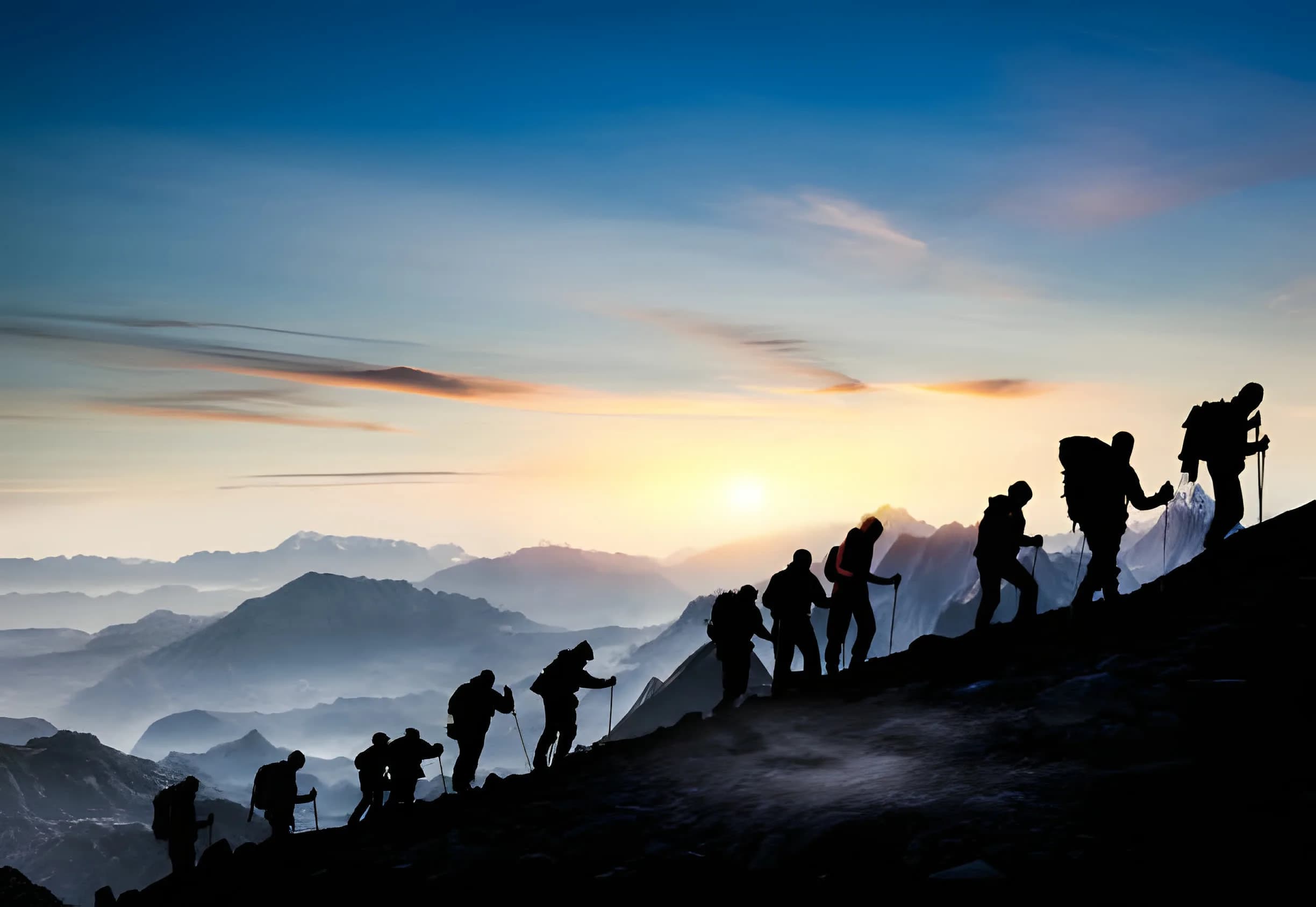
Trekkers on the Mardi Himal ridge below the Annapurna range
What to bring, by season

Pack light, climb warm.

Mardi Himal is a short, high trek with cold nights and a steep dawn push. You need warm layers and a proper sleeping setup, but far less than an expedition. Here is what to bring, by category and by season, plus what to leave behind and what to rent in Pokhara.

The kit, in numbers.

Mardi tops out around 4,200 m at the Upper Viewpoint, with the coldest night at High Camp (3,580 m). That altitude and the cold are what your packing list answers. The figures below are the practical ones to plan around. For the downloadable, tick-box version of this list, see our resources page, which owns the printable gear and pre-trip checklists. This page is the why and the what behind them.

Porter load (fair limit)
~18-20 kg shared
Sleeping bag
3-season, to -10°C
Teahouse charging
Paid, NPR 100-300/hr
Pokhara sleeping bag hire
~USD 1-2.5 / day
Pokhara down jacket hire
~USD 1.5-3 / day
Winter add-on
Microspikes for High Camp
High Camp
3,580 m, coldest night
Gear rental hub
Lakeside, Pokhara

Eight things to think through.

Build your bag category by category rather than as one long list. The three-layer clothing system is the heart of it: it lets you shed and add warmth as you climb from forest to ridge. Footwear and sleeping are the items worth getting right before anything else. Read these alongside our weather guide so your layers match the temperatures you will actually meet.

Clothing layers

Three layers do the work: a moisture-wicking synthetic or merino base, an insulating mid (fleece or light down), and a windproof, waterproof shell. Add a warm down jacket for the cold dawn push to the viewpoint, plus hat, buff, sun hat, and two pairs of gloves: thin liners and warm outers.

Footwear

Broken-in, ankle-supporting trekking boots are the single most important item. Never bring boots straight out of the box. Pack camp shoes or sandals to free your feet at the teahouse, three to four pairs of wool or synthetic socks, and gaiters if there is snow or mud on the trail.

Sleeping

Teahouses provide blankets, but they thin out and run cold at High Camp. Carry a 3-season sleeping bag rated to about -10°C from October through April, plus a silk or cotton liner for warmth and hygiene. In high summer a lighter bag or just the liner can be enough lower down.

Water & purification

Carry one to two litres of capacity in bottles or a bladder. Treat all water rather than buying plastic: chlorine or iodine tablets, a SteriPen, or a filter bottle all work. Refill stations and teahouse boiled water exist, but treatment is your reliable backup higher up.

First aid & medication

A small personal kit covers most of it: blister plasters and tape, painkillers, rehydration salts, antiseptic, any prescription medicines, and altitude medication only if your doctor advises it. Mardi tops out around 4,200 m, so altitude is real but moderate. Carry sunscreen and SPF lip balm.

Electronics & power

Bring a 10,000-20,000 mAh power bank, as reliable charging thins out above the lower villages and teahouses charge per device, roughly NPR 100 to 300 an hour. A headtorch is essential for the pre-dawn start. Pack a universal adapter and keep batteries warm overnight, since cold drains them fast.

Documents & money

Carry your ACAP permit and TIMS or guide paperwork, passport, travel insurance details that cover trekking to your altitude, and enough Nepali rupees in cash for the whole trek plus a buffer. There are no ATMs on the trail, so draw cash in Pokhara before you start.

Extras worth the weight

Trekking poles save your knees on the steep descent off the ridge. Sunglasses with good UV protection cut snow glare up high. A quick-dry towel, wet wipes, hand sanitiser, a dry bag for electronics, and a few high-calorie snacks round out a sensible kit without overloading it.

The two things people get wrong.

Two items trip up first-timers on Mardi. The first is sleeping warmth. Teahouses do provide blankets, and many trekkers manage on them lower down, but at High Camp the cold bites and the blankets are not always enough. From October through April we advise carrying your own 3-season bag rated to around -10°C, with a liner for extra warmth and hygiene. In deep summer, a lighter bag or just the liner can do. If you do not own a bag, this is exactly the kind of bulky item to rent in Pokhara rather than fly with.

The second is charging. Power on the Mardi trail is real but patchy. Lower teahouses charge devices for a fee, roughly NPR 100 to 300 an hour, and supply gets thinner and more solar-dependent above the upper villages, so there is no reliable charging once you are high on the ridge. Carry a 10,000 to 20,000 mAh power bank, keep your phone and battery warm in your bag overnight (cold drains them fast), and treat any trail charging as a bonus. A headtorch with spare batteries is non-negotiable for the pre-dawn start to the viewpoint. For how the camps and lodges themselves work, see our accommodation page.

What changes with the calendar.

The core list stays the same across the year; the additions change. Spring and autumn are the two main windows, winter adds real cold and snow, and the monsoon is best avoided. Use the notes below to adjust, and cross-check timing on our best months guide.

Spring (Mar-May)

Mild and green, with the rhododendron bloom in April. Lower camps sit around 8 to 22°C by day, High Camp roughly 0 to 12°C. Pack for warm days and cold nights, with sun protection for the afternoon haze that builds in May. A 3-season bag still earns its place at High Camp.

Autumn (Sep-Nov)

The clearest, most stable window, peaking in October and November. Days are crisp, nights cold, and by November High Camp can drop to -5°C with a real chance of early snow. Add a warmer hat and gloves as the season turns. This is the classic Mardi packing baseline.

Winter (Dec-Feb)

Cold and quiet, with snow common at High Camp and above, worst in January when the viewpoint section can be icy. Add microspikes for the High Camp to viewpoint push, a warmer down jacket, insulated gloves, and a four-season or doubled-up sleeping setup. Lower sections stay walkable.

The single biggest seasonal change is winter traction: from December through February, and after any fresh snowfall, the High Camp to viewpoint section can ice over, so pack microspikes. They are light, cheap, and rentable in Pokhara, and far more sensible than full mountaineering crampons, which Mardi does not need.

What to leave, what to rent.

Mardi rewards a light pack. It is a teahouse trek to about 4,200 m, not an expedition, so leave behind heavy mountaineering boots, technical climbing hardware, a full four-season expedition bag (outside deep winter), bulky cotton clothing, and surplus electronics. If a porter carries your main bag, keep it to a fair shared load of around 18 to 20 kg, often split between two trekkers. The international porter welfare guidance caps loads at 30 kg in Nepal, but we set kinder limits; see our guide and porter page for how loads are arranged. Carry a daypack of 5 to 8 kg for water, layers, snacks, and valuables you want with you.

On rent versus buy: rent the bulky, expensive items, and buy the things that need to fit you. Pokhara's Lakeside is full of gear shops along the main street that hire out sleeping bags from roughly USD 1 to 2.5 a day depending on warmth, and down jackets from about USD 1.5 to 3 a day, with trekking poles, gaiters, microspikes, and duffels also available. Shops take a refundable cash deposit and prefer rupees or US dollars. Buy your boots and base layers at home and break them in first, because fit and a lack of blisters matter more than saving a few dollars. Sort your permits and budget on our permits and cost page, and plan the whole route from our main Mardi Himal trek page.

Packing questions.

Do I need a sleeping bag for the Mardi Himal trek?

Teahouses on Mardi Himal provide blankets, so you can technically trek without your own bag, but the blankets thin out and run cold at High Camp (3,580 m), especially from October through April. We strongly advise carrying a 3-season sleeping bag rated to around -10°C, plus a liner. In high summer a lighter bag or just a liner can be enough lower down. You can rent a bag cheaply in Pokhara if you do not own one.

Can I rent trekking gear in Pokhara?

Yes. Lakeside in Pokhara has many gear shops along the main street that rent the bulky, expensive items: sleeping bags from roughly USD 1 to 2.5 a day depending on warmth rating, and down jackets from about USD 1.5 to 3 a day. Trekking poles, gaiters, and duffel bags are also widely available. Shops usually take a refundable cash deposit and prefer rupees or US dollars. Rent the heavy gear, but buy boots and base layers yourself for fit. See our resources page for the full checklist.

How much should my pack weigh and what is the porter limit?

If a porter carries your main bag, keep it to a fair shared limit of around 18 to 20 kg, often split between two trekkers. The international porter welfare guidance (IPPG) caps loads at 30 kg in Nepal, but responsible operators set lower, kinder limits. Pack a daypack of 5 to 8 kg for water, layers, snacks, and valuables. See our guide and porter page for how loads are arranged.

Do I need microspikes or crampons for Mardi Himal?

Not in spring or autumn under normal conditions. In winter (December to February), and after fresh snow, the section from High Camp up to the viewpoint can ice over, so microspikes are a smart, light addition. Full mountaineering crampons are overkill for Mardi. Ask your guide or check conditions in Pokhara before you go, and rent microspikes there if needed.

What should I not bring on Mardi Himal?

Mardi needs far less than an expedition or Everest Base Camp. Skip the heavy mountaineering boots, technical climbing hardware, a full four-season expedition bag (outside deep winter), bulky cotton clothing, more than a few changes of clothes, and excess electronics. Every extra kilo is weight you or a porter carries up a steep ridge, so pack lean.

Is there charging on the Mardi Himal trail?

Yes, but it gets less reliable as you climb. Teahouses lower down charge devices for a fee, roughly NPR 100 to 300 per hour, and power can be solar and intermittent above the upper villages. Carry a 10,000 to 20,000 mAh power bank, keep it and your phone warm overnight so the cold does not drain them, and treat trail charging as a bonus rather than a guarantee.

What documents do I need to carry on the trek?

Carry your ACAP permit and TIMS or guide paperwork, your passport, and travel insurance details that cover trekking to your altitude. Bring enough Nepali rupees in cash for the whole trek plus a buffer, because there are no ATMs on the trail. Our permits and cost page covers the permit fees and where to get them in Pokhara.

Read the mountain, then come walk it.

We run small-group trips from Pokhara every Saturday from September to May. We also run private trips any day. A $50 deposit holds your place. Pay the rest on arrival in cash or by card.